
Eco

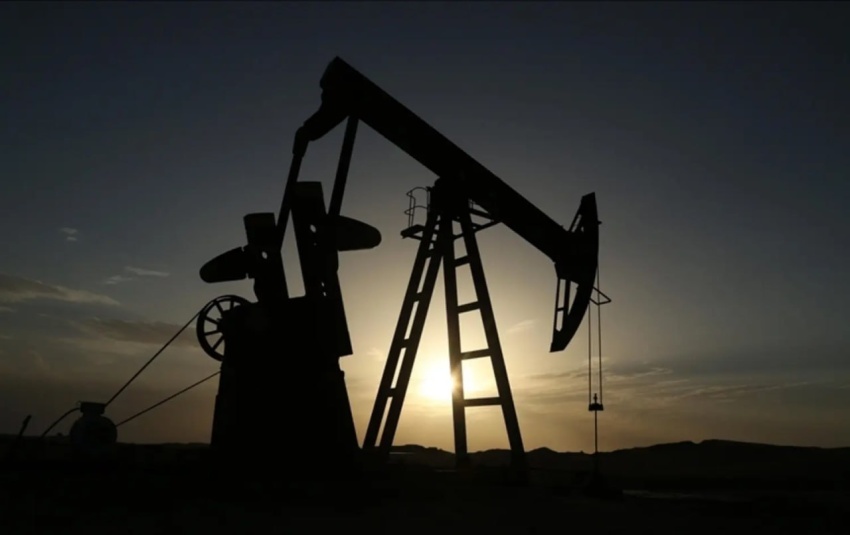
Recent economic reports released in mid-April 2026 revealed that the Eurozone is facing a tough test of its economic resilience, with forecasts indicating a meager growth rate not exceeding 1.1% for the current year. These weak figures reflect the dual impact of energy price shocks resulting from geopolitical tensions and the tightening of financial conditions by the European Central Bank to curb inflation. Major industrial sectors in Europe, particularly in Germany, are suffering from soaring production costs and declining external demand, threatening to plunge some economies into a technical recession. Experts urge European Union policymakers to accelerate the implementation of structural reforms that enhance energy independence and support innovation, while providing safety nets for vulnerable groups most affected by the rising cost of living to maintain social stability.
Editor at Dijlah Point News, writing about Eco.