policy
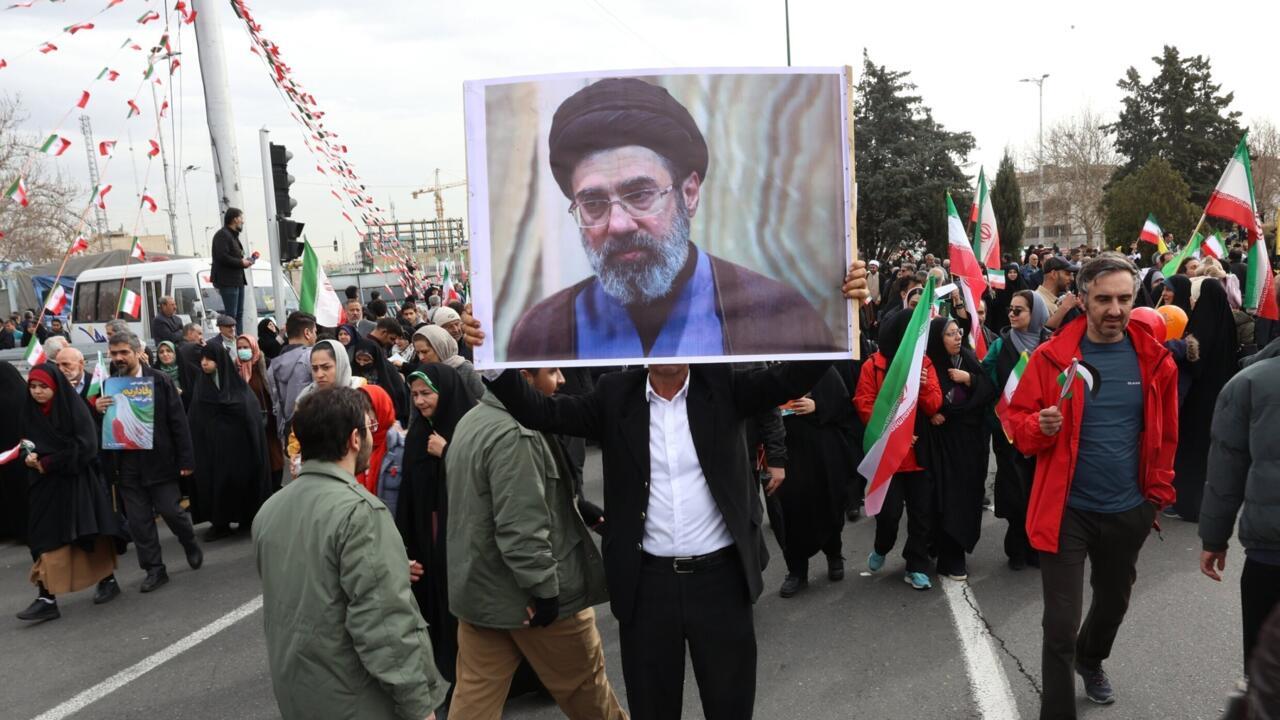
An international relations expert confirmed that the recent war in which Iran was a direct party has pushed several Western capitals to review their traditional approaches toward Tehran, noting that the entrenched mental image built over decades is no longer static.
The expert stated in a press interview that "the West has been accustomed to viewing Iran as an adversary state and a source of regional threat, based on nuclear program files, military influence, and ally networks in the region. However, the military and political performance during the recent war demonstrated Iranian capabilities in managing conflict within deterrence calculations and strategic discipline."
He added that this shift has pushed Western decision-making centers to deal with Iran as "a state power possessing real tools of influence, rather than merely an isolated ideological actor," noting that the confrontation results also revealed the limitations of some Western narratives that prevailed following the September 11 events.
He explained that "the traditional link between Islamic movements and the concept of global terrorism has gradually eroded, and the recent war accelerated this trajectory by highlighting that violence and extremism are linked to the nature of conflicts and political interests, rather than to a specific religion."
He noted that Iran has not fully succeeded in changing its image in the West due to the continued impact of human rights files, sanctions, and the nuclear program, yet it has managed to impose a new reality that makes dealing with it based on the logic of power and balances.
He predicted that the coming phase may witness a split within the West between a camp calling for containment and negotiation with Tehran, and another adhering to pressure and sanctions policies.
Editor at Dijlah Point News, writing about policy.