Eco
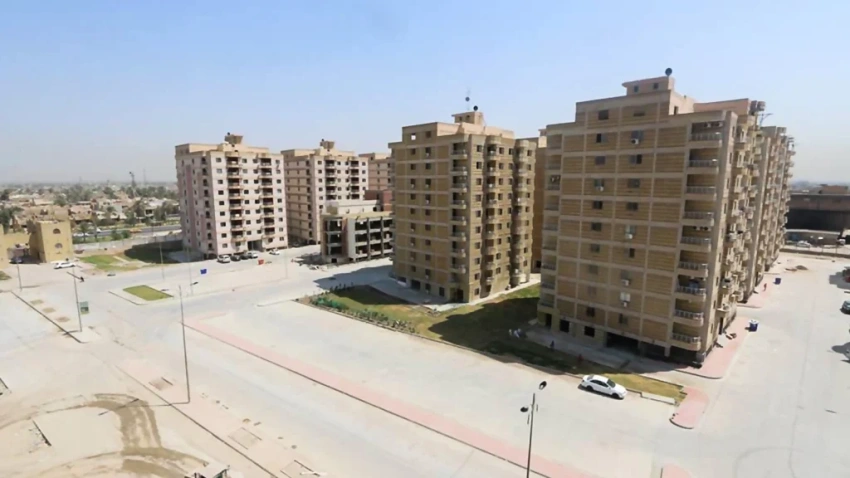
The housing crisis in Iraq goes beyond a mere shortage of residential units; it constitutes a complex urban challenge that imposes massive pressure on the infrastructure of major cities, especially the capital, Baghdad. With continued rapid population growth and the expansion of slums, demands are rising for the necessity of abandoning temporary solutions and moving towards sustainable strategies, namely building modern, integrated cities capable of absorbing population growth and relieving congestion in city centers. Urban experts assert that the success of housing projects requires the establishment of cities equipped with all basic services, modern transportation networks, and job opportunities to ensure a balanced redistribution of the demographic map. In this regard, former member of the Parliamentary Services Committee, Manar Abdel Muttalib, explained that initiating the construction of new cities outside the current master plan is the only way out of the crisis. She warned that existing cities, led by Baghdad which houses a third of the country's population, have exceeded their carrying capacity by more than 60%. Abdel Muttalib pointed out that the high population density within current residential neighborhoods has led to urban distortions as well as psychological and social pressures on citizens, with some large families forced to live in very confined spaces. She emphasized the importance of investing in vacant areas between provinces to build new urban complexes that contribute to lowering real estate prices, provide a decent living environment for citizens, and ease the burden on dilapidated service networks.
Editor at Dijlah Point News, writing about Eco.