Eco
Economic expert Ahmed Al-Tamimi clarified on Monday the underlying reasons behind the stalled implementation of the old vehicle scrapping policy in Iraq, despite the initiative being proposed years ago. He emphasized that the primary obstacles are not technical, but rather a complex intersection of financial, legislative, and executive factors.
In a press statement, Al-Tamimi explained that any vehicle scrapping initiative requires clear financial allocations to compensate owners or provide incentives for replacement—elements that have been notably absent from previous budgets. He also highlighted the lack of a comprehensive law to regulate the withdrawal, compensation, and registration processes, which would prevent dilapidated vehicles from re-entering the market through unofficial channels.
The expert pointed out the existence of vested economic interests that benefit from the continuation of the current situation, such as the used car market, repair shops, and the spare parts trade. This dynamic creates unannounced resistance to any reform attempts, particularly amidst weak regulatory oversight.
To implement a comprehensive scrapping system, Al-Tamimi stressed the need for an integrated package of measures. This begins with establishing certified centers to receive and dismantle old cars according to environmental standards. It also requires upgrading electronic technical inspection stations and linking traffic, customs, and tax databases within a unified platform to minimize manipulation.
Furthermore, he highlighted the importance of offering accessible bank loans to citizens and granting customs and tax exemptions for replacement vehicles, especially economical or electric ones. Engaging the private sector in building modern recycling facilities and showrooms is also deemed vital.
Al-Tamimi affirmed that Iraq possesses the human and institutional capabilities to execute this system but lacks a decisive government resolution, efficient centralized management, and a clear timeline. He noted that the core issue lies in weak coordination and continuity, rather than a lack of capacity.
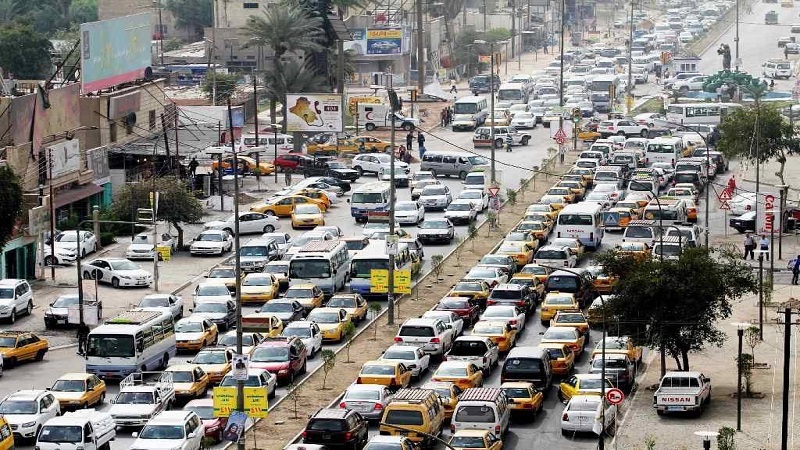
Regarding the project's impact on citizens, he explained that correct implementation would reduce maintenance costs and fuel consumption, enhance traffic safety, and curb pollution and congestion caused by frequent breakdowns. However, he warned that executing the project without providing suitable alternatives or sufficient financial support could impose additional burdens on the public. He emphasized that the program must be accompanied by flexible financing options, subsidized prices, and fair transitional periods.
Old vehicles remain one of the most prominent challenges facing Iraq's transport sector due to their role in increasing pollution and negative impact on infrastructure. Despite numerous proposals to regulate this issue, the absence of clear legislation, sufficient funding, and conflicting interests have prevented real-world implementation, leaving the matter pending as the country seeks to transition towards sustainable transportation.
Editor at Dijlah Point News, writing about Eco.